
Singing Monsters: Dawn of Fire
Big Blue Bubble IncMusic
4.831.40K Reviews
- Version
- 4.3.0
- Installs
- 10.00M
- Age Rating
- Everyone
Screenshots
Our Review of Singing Monsters: Dawn of Fire
 Analysis by Appyee
When I share a tablet or phone at home, I look for games that are easy to understand in short bursts but still give everyone something to come back to. Singing Monsters: Dawn of Fire can fit that role: its island is both a collection of creatures and a growing musical arrangement. It is a free music game from Big Blue Bubble Inc, though optional in-app purchases range from $0.99 to $99.99 per item, so I would agree on spending boundaries before handing the device around.
One island, several ways to enjoy it
The most natural shared-use routine is to take turns checking the island rather than trying to play at the same time. One person might enjoy choosing what to build, while another listens for how a newly added monster changes the song. That gives younger players a simple way to join in, and gives someone who likes planning a reason to think about the next step. I find the musical result makes progress easy to appreciate even when a player has not been following every decision.
A practical household habit is to let one person make changes during a session and have everyone else suggest what to try next. That avoids the familiar shared-device problem of two people tapping through different plans. It also turns the island’s sound into a low-pressure way to compare ideas: add a creature, listen, then decide whether the arrangement feels fuller or whether it is time to work on something else.
Shared-device boundaries that matter
Before making this a family game, I would decide whose game progress the device represents. A shared screen does not automatically mean shared progress, and the experience can feel frustrating if one person expects to find an island arranged exactly as they left it after another player has changed things. I would keep the routine simple: agree who gets to make changes, and avoid treating the game as a communal save unless everyone is comfortable with that arrangement.
The other boundary is spending. The game is free to start, but optional purchases can be substantial at the upper end of their listed range. I would not leave purchase decisions to a child or to a casual turn on a shared phone. A quick household rule—ask before any purchase, and let an adult handle the decision—keeps the game’s creative appeal separate from arguments about money.
Making progress without turning it into a chore
This is better suited to a relaxed check-in than a long, tightly scheduled play session. When I have a few spare minutes, I can look over the island, decide which task seems useful, and leave the bigger planning for later. That makes it a reasonable fit for a quiet break at home, especially for someone who likes gradual building. It is less satisfying if you want every session to deliver a dramatic milestone or a complete beginning-to-end challenge.
For a shared household, I would also keep expectations flexible. A child may care most about the creatures and their sounds, while an older player may pay more attention to arranging resources and choosing what to develop. Neither approach has to dominate. Letting each person have a small, clear contribution—suggesting a monster, listening for a change, or choosing a task to focus on—helps the game stay collaborative without requiring everyone to enjoy the same part of it.
There is a useful trade-off in that gentle pace: it gives the music room to evolve, but it can also make progress feel gradual. If someone in the household prefers direct competition, fast rounds, or a clear winner, I would choose a different kind of game for group play. This one works best when the shared goal is to shape an island and enjoy what it sounds like, not to outperform another player.
Unleashing the Monsters
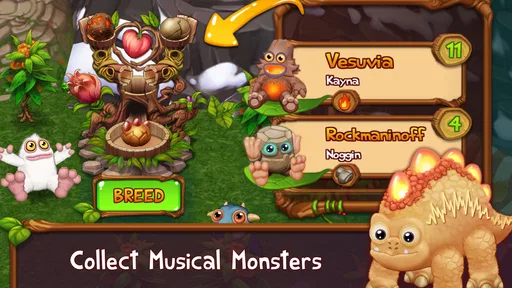
The premise of Singing Monsters: Dawn of Fire is pretty straightforward but oh-so-addictive. You start with a basic island and a few monsters. Your task? Breed and nurture these adorable creatures to create a harmonious symphony. Each monster has its own unique sound, and when they come together, it’s pure magic. The game takes you back to the dawn of time, allowing you to explore the origins of these quirky creatures.
The Gameplay Experience
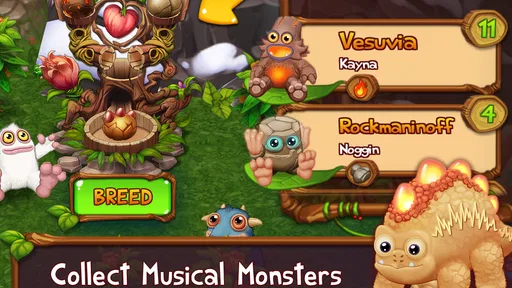
What I love about this game is the blend of creativity and strategy. As you progress, you unlock new islands, each with its own set of challenges and rewards. Breeding monsters isn’t just about creating new sounds; it’s also about carefully planning which monster pairs will produce the best offspring. Trust me, it’s more strategic than it sounds!
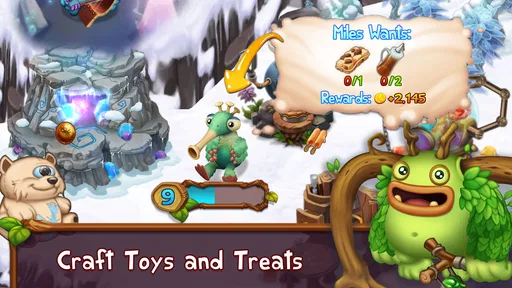
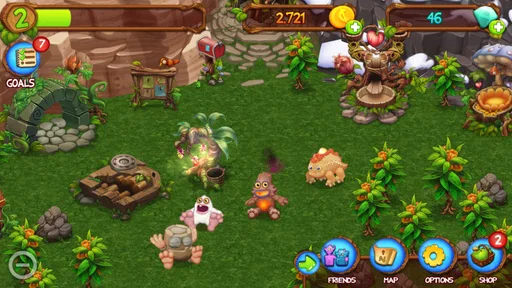
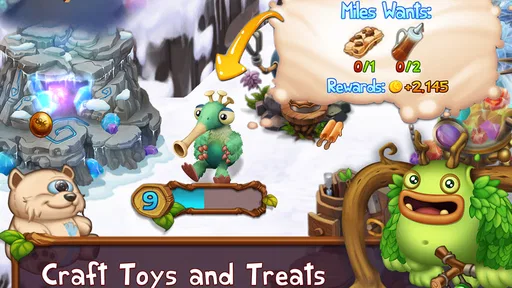
Another aspect that keeps me hooked is the resource management. You need to gather and manage resources to build structures and feed your monsters. It’s a delicate balance that adds an extra layer of depth to the game. And let's not forget about the crafting system, which allows you to create items that your monsters need to level up. It’s all about multitasking, and that’s what keeps the game interesting.
Visuals and Sound Design
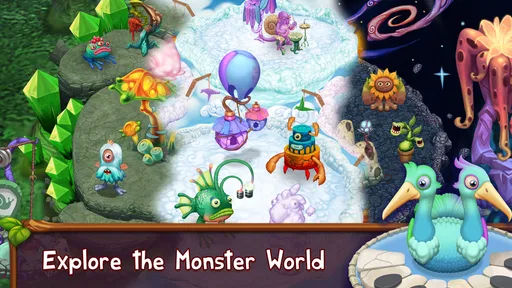
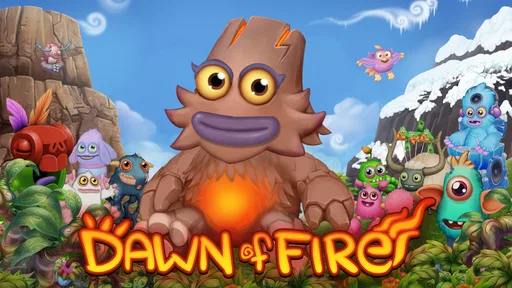
The visuals in Singing Monsters: Dawn of Fire are nothing short of delightful. The vibrant colors and adorable monster designs make the game a visual treat. Each island has its own unique theme, which keeps things fresh and exciting as you progress. The animation is smooth, and each monster has its own distinct personality that shines through.
Now, let’s talk about the sound design, which is arguably the star of the show. The game is all about music, after all. Each monster contributes a different musical element, whether it’s a melody, harmony, or rhythm. As you add more monsters to your island, the music becomes richer and more complex. It’s incredibly satisfying to hear your island’s song evolve as you add new creatures. It’s like being a composer, but way more fun!
Community and Social Features
One of the things I appreciate about the game is its community aspect. You can connect with other players, visit their islands, and even trade resources. The social features add a nice touch, making the game feel more connected and less solitary. Plus, seeing how other players design their islands can give you some inspiration for your own!
Choosing it over other music games
When I compare this with the usual choices in the music category, the main difference is that the music is tied to building and collecting rather than to timing notes or following a fixed song chart. If you want to test your reflexes against a beat, a rhythm game is the clearer fit. If you want to create a soundscape gradually by deciding which creatures belong on an island, this game offers a more open-ended kind of musical play.
That difference is also the key trade-off. The soundtrack is something you shape over time, not a playlist of familiar tracks to select and perform. I would recommend it to someone who likes hearing layers accumulate and enjoys caring for a little world. I would steer a player toward a conventional rhythm game if their main goal is tapping along to songs, improving timing, or comparing scores. The two styles can both be musical, but they satisfy different moods.
Small choices that make the island easier to manage
My most useful tip is to treat the island’s song as feedback, not just decoration. When you add a creature, pause long enough to hear what changed before rushing on to the next task. That makes the collecting side feel purposeful: you are not only filling space, you are learning how each sound fits into the whole. It also helps when playing with someone else, because you can make a choice together and immediately listen to its effect.
I would also avoid trying to optimize every decision at once. Breeding, resources, structures, and crafting all compete for attention, and a new player can easily turn a charming game into a checklist. Pick one priority for a session—perhaps developing a creature or gathering what a needed structure requires—then let the rest wait. This keeps the management layer approachable and makes it easier to remember what you were trying to do when you return.
For players who enjoy designing, another satisfying approach is to make a change for its sound first and its efficiency second. That may not be the quickest route through every task, but it fits the game’s strongest quality: the sense that the island’s musical identity comes from your choices. If your pleasure comes only from reaching the next unlock as quickly as possible, this slower, listen-and-adjust approach may not suit you.
Who will enjoy it, and who may not
I think the game is strongest for players who like creature collecting, incremental progress, and music they can influence without needing musical training. It gives children an inviting visual world, while adults who enjoy light management can find enough decisions to keep the island interesting. The Everyone age rating makes it broadly accessible, but an age label does not replace household judgement: I would still set clear expectations around shared-device turns and optional purchases.
It is not my first recommendation for someone who wants a quick match with a definite finish, or for a player who dislikes waiting between goals and managing several kinds of tasks. Nor would I choose it as a purely social party game: visiting islands and trading resources can add connection, but the central pleasure is still tending to your own musical world. Knowing that distinction makes it easier to decide whether its pace is a feature or a frustration.
Age, trust, and expectations
The game is rated Everyone, and I find its cheerful presentation approachable for a wide range of ages. For a parent or caregiver, the useful conversation is less about whether a child can understand the basic idea and more about how the device will be used: who makes changes, when play fits into the day, and what to do if an in-app purchase appears. I would not assume that a child’s ability to enjoy the game means they should make spending decisions independently.
It also helps to separate play from promises about progress. A child may want a particular creature or island right away, while the game’s resource and crafting elements encourage working toward things. I would frame those systems as part of the activity rather than promise a quick result. That keeps expectations realistic and gives adults an easy way to guide a session without taking over every choice.
Current details and a sensible starting point
The game was released on September 25, 2015, and its current version is 4.0.5. It needs Android 7.0 or later on Android, and it is also available on iOS. It is free to download, with optional in-app purchases priced from $0.99 to $99.99 per item. Before installing, I would check that the device meets the operating-system requirement and decide whether purchases should be allowed on that device.
Its audience is substantial: it has more than 10 million installs, with a 4.7 average from around 199,000 ratings and about 31,000 written reviews. Those figures suggest it has found plenty of fans, but they do not tell me whether its pace will suit a particular player. I would judge it by the actual appeal of building a sound from individual monsters, not by popularity alone.
For a first session, I would focus on the basic loop instead of trying to understand every system immediately. Watch how a creature contributes to the music, notice what resources the next task calls for, and then choose one manageable goal. That approach answers the practical question of whether the game clicks for you without making the early experience feel like homework. If the growing arrangement is what draws you in, the other layers have a reason to matter.
Final Thoughts
In a world filled with countless mobile games, Singing Monsters: Dawn of Fire stands out for its unique blend of music and strategy. It’s a game that’s easy to pick up but hard to put down. Whether you’re a fan of music, strategy, or just looking for something fun to pass the time, this game has something for everyone. The combination of charming visuals, captivating soundscapes, and engaging gameplay makes it a must-try.
If you’re ready to dive into this musical adventure, you can find the game on both Android and iOS platforms. So go ahead, unleash your inner composer, and watch as your island comes to life with the sound of music!
Privacy and Permissions
See what permissions an app requests and how it handles your data.
- Photos/Media/Files
- read the contents of your USB storage, modify or delete the contents of your USB storage
- Storage
- read the contents of your USB storage, modify or delete the contents of your USB storage
- Wi-Fi connection information
- view Wi-Fi connections
- Other
- view network connections, full network access, control vibration, prevent device from sleeping, Google Play license check
Verdict
Strengths of Singing Monsters: Dawn of Fire
- Engaging music creation system.
- Vibrant and colorful graphics.
- Variety of monsters to collect.
- Frequent updates with new content.
- Easy to understand and play.
Limitations of Singing Monsters: Dawn of Fire
- Requires constant internet connection.
- In-app purchases can be pricey.
- Some tasks can be repetitive.
- Limited offline features.
- Ads can be intrusive.
Other Releases by Big Blue Bubble Inc
View All


Similar Picks in This Category
View All
Tiles Hop Music & Ball Game
AMANOTES PTE. LTD.4.3

Magic Tiles 3™ - Piano Game
AMANOTES PTE. LTD.4.6

Real Piano
Bilkon3.7

Piano Game: Classic Music Song
Dream Tiles Piano Game Studio4.0

Smash Colors: Music Ball Rush
BADSNOWBALL HONGKONG LIMITED4.2

Piano Music Go-EDM Piano Games
Joy Journey Music Games4.5
Frequently Asked Questions
What is the main objective of Singing Monsters: Dawn of Fire?
Singing Monsters: Dawn of Fire is a prequel to the popular My Singing Monsters game. The main objective is to collect and breed adorable monsters, each with unique musical abilities. As players progress, they can unlock new islands, expand their monster compositions, and create harmonious symphonies by strategically placing monsters to create the perfect song.
How does the breeding system work in the game?
The breeding system allows players to combine different types of monsters to create new species with unique musical talents. Players must select two monsters and place them in the Breeding Structure. The resulting offspring will have a mix of traits from its parents, adding a new layer of strategy as players aim to complete their monster collection.
Are there any in-app purchases in Singing Monsters: Dawn of Fire?
Yes, Singing Monsters: Dawn of Fire includes in-app purchases. Players can buy currency, such as diamonds and coins, to speed up progress or acquire rare monsters and decorations. While optional, these purchases can enhance the gaming experience and help players advance more quickly in the game.
What are the system requirements for the game?
Singing Monsters: Dawn of Fire is available for both Android and iOS devices. For Android users, a device with at least Android 4.0.3 (Ice Cream Sandwich) is recommended. iOS users need a device running iOS 9.0 or later. Adequate storage and a stable internet connection are also necessary for optimal gameplay.
Can I play Singing Monsters: Dawn of Fire offline?
No, Singing Monsters: Dawn of Fire requires an internet connection to play. This is necessary to sync progress, access updates, and participate in community events. It ensures that players can enjoy the game's full range of features and stay connected with the vibrant community.
Play our best games!


